
Challenges in Mexico's Education System: Voices from the Classroom on Teacher Burnout and Solutions
- esenciadeingles
- Jan 5
- 3 min read

The education system in Mexico faces many challenges that affect teachers, students, and parents alike. Teachers often find themselves overwhelmed by excessive paperwork, lack of support, and burnout. These issues not only impact their well-being but also influence the quality of education students receive. Drawing from my background in Business Management and Leadership Development, I want to share insights into these challenges and present a new approach to improve English teaching in Mexican schools. This post aims to raise awareness and encourage action to support educators and strengthen the education system.
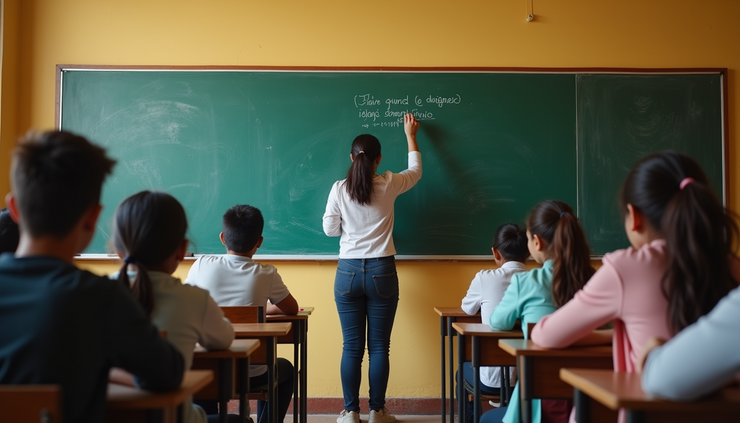
The Reality of Teacher Burnout in Mexico
Teachers in Mexico often work long hours beyond the classroom. Many report spending evenings and weekends completing paperwork, preparing lessons, and managing administrative tasks. This workload leaves little time for rest or professional development. Burnout is common, with symptoms including fatigue, frustration, and a sense of helplessness.
From my experience in leadership development, burnout reduces motivation and effectiveness. When teachers feel unsupported, their ability to engage students suffers. This creates a cycle where students receive less attention, leading to lower academic performance and increased behavioral issues. The emotional toll on teachers can also affect their personal lives, contributing to stress and job dissatisfaction.
Excessive Paperwork and Lack of Support
One of the biggest complaints from teachers is the amount of paperwork required by the education system. Forms, reports, and bureaucratic procedures take time away from teaching. Many teachers feel these tasks are unnecessary and do not contribute to student learning.
Support from school administrations and government agencies is often limited. Resources for training, classroom materials, and counseling are scarce. Teachers frequently work in underfunded schools with large class sizes and outdated equipment. Without proper support, teachers struggle to meet the diverse needs of their students.
Impact on Students and Parents
The challenges faced by teachers directly affect students. When teachers are overwhelmed, they cannot provide personalized attention or adapt lessons to different learning styles. This can lead to disengagement and lower academic achievement.
Parents also feel the impact. They may see their children struggling but find it difficult to get help from schools. Communication between teachers and parents is often limited, making it harder to address problems early. The lack of support for teachers creates a ripple effect that touches the entire school community.
A New Business Plan to Improve English Teaching
To address some of these issues, I have developed a business plan focused on improving the English curriculum in Mexican schools. English is a vital skill for students’ future opportunities, but many teachers lack the training or resources to teach it effectively.
The plan centers on teaching English naturally through immersive and interactive methods. Instead of relying on rote memorization and grammar drills, the curriculum encourages conversation, storytelling, and real-life practice. This approach helps students develop confidence and fluency.
Key elements of the plan include:
Teacher training workshops to build skills and confidence in natural English teaching methods
Curriculum materials designed for easy use and adaptation in diverse classrooms
Ongoing support through coaching and peer collaboration networks
Parent engagement programs to involve families in the learning process
This plan aims to reduce teacher stress by providing clear, practical tools and support. It also seeks to improve student outcomes by making English learning more engaging and relevant.
The Importance of Stepping Up for Mexican Education
Improving Mexico’s education system requires commitment from all stakeholders. Teachers need respect, resources, and recognition for their hard work. Parents and communities must be involved in supporting schools. Policymakers should prioritize funding and reforms that address real classroom challenges.
From my perspective in business management, leadership starts with understanding the people you serve and creating systems that support their success. The education system is no different. By listening to teachers’ voices and providing meaningful solutions, we can help build a stronger future for Mexican students.
Practical Steps to Support Teachers Today
While systemic change takes time, there are immediate actions schools and communities can take:
Simplify administrative tasks to free up teachers’ time for instruction
Provide mental health resources and peer support groups for teachers
Offer professional development focused on practical classroom strategies
Encourage parent-teacher communication through regular meetings and updates
Invest in classroom materials that engage students and reduce teacher preparation time
These steps can help reduce burnout and improve the learning environment for everyone.


Comments